Event Security
BEST Practices: Crowd Management Strategies for Special Events
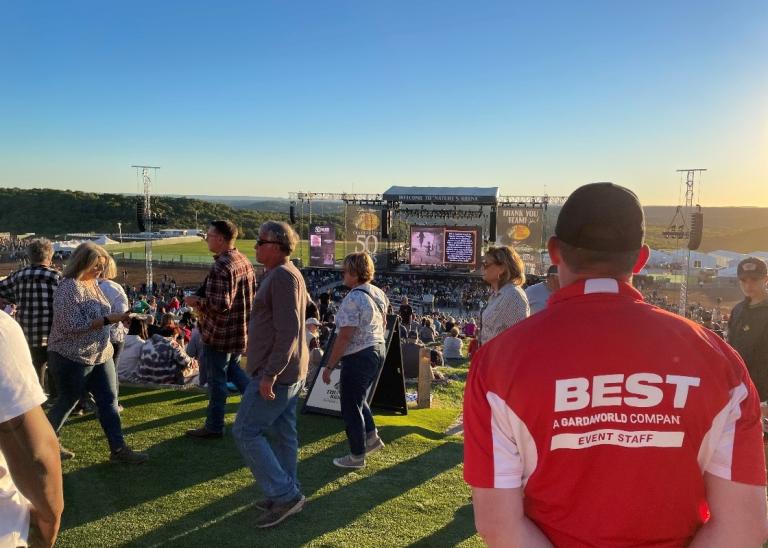
Special events are built around experience. Whether the setting is a convention, corporate gathering, political rally, festival, or community event, organizers want guests to feel welcomed, safe, and confident from the moment they arrive. But creating that kind of environment does not happen by accident. It depends on thoughtful crowd management planning that reflects the realities of the venue, the expectations of attendees, and the pace of the event itself. The most effective programs recognize that crowd management is never one-size-fits-all and that each event requires its own strategy for safety, staffing, and guest experience.
Why Safety and Enjoyment Work Together
The strongest crowd management plans begin with a simple principle: safety and enjoyment should be treated as connected goals, not competing priorities. Too often, event security is viewed only through the lens of control. In practice, the best event environments are the ones where security supports the guest experience rather than interrupting it. Attendees should feel that the event is organized, responsive, and well managed without feeling overwhelmed by visible friction. That means planning for how people enter, move through, and exit the space, while also anticipating where confusion, congestion, or frustration may develop. When crowd management is integrated into the overall event experience from the start, the result is a smoother and more enjoyable environment for everyone involved.
Key Access Points, Traffic Areas, and Venue Flow
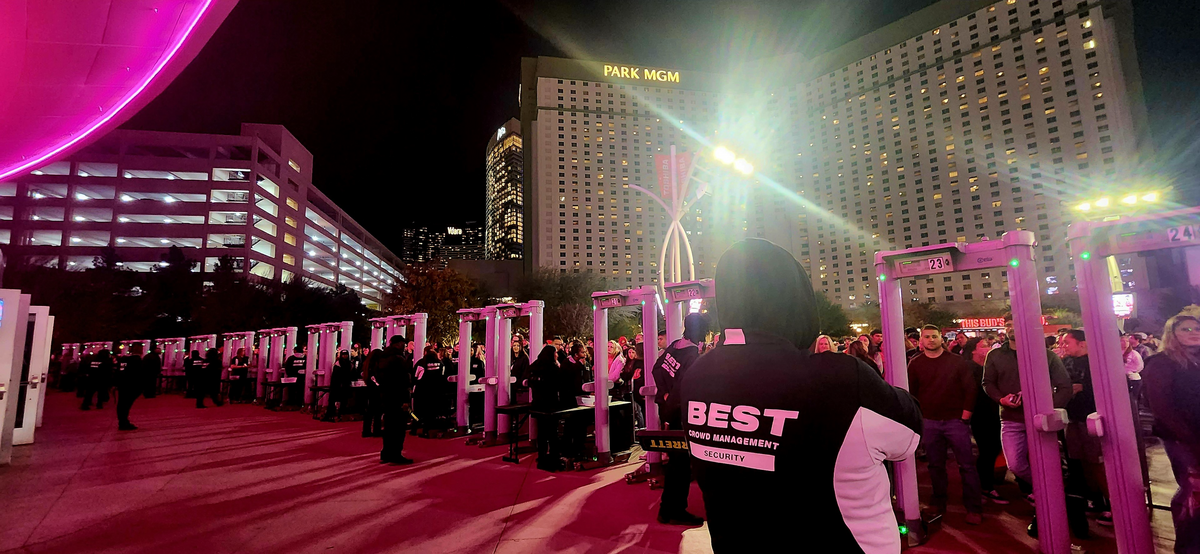
A second best practice is strategic staffing and placement. Effective crowd management depends on putting the right professionals in the right places based on the venue layout, event format, and expected flow of activity. A convention center with multiple entrances and breakout spaces requires a different staffing model than a political event with heightened screening needs or a community gathering designed around open public access. Strong planning takes into account key access points, high-traffic transition areas, VIP zones, parking and queuing challenges, and any parts of the venue where pressure can build quickly. That kind of precision helps reduce bottlenecks, strengthen visibility, and improve response when conditions change.
Matching Staff Presence to the Event Environment
Training and presentation also matter more than many organizers realize. Crowd management is not just about where staff are placed, but how they interact with guests and represent the event environment. Different events call for different tones. A corporate event may require a polished, discreet presence. A community event may benefit from a more approachable style. A high-profile or politically sensitive event may call for a more formal posture. Tailored training and flexible presentation styles should match the event environment, helping teams align with the culture and expectations of the venue while still maintaining a strong security presence. When crowd management professionals are trained appropriately and presented in a way that fits the setting, they are better positioned to de-escalate issues, provide direction, and contribute positively to the overall experience.
Oversight During Operational Changes and Disruptions
Another critical element is leadership. Even well-designed plans can be tested by shifting attendance patterns, last-minute operational changes, or unexpected disruptions. That is why experienced oversight and the ability to adapt quickly are essential, especially for large or multi-site events with tight timelines and moving parts. Strong leaders help ensure consistency across teams, maintain communication with event stakeholders, and adjust deployment when conditions demand it. Their presence can make the difference between a minor issue that is quickly resolved and a disruption that affects guests, staff, and event continuity.
Conclusion
Ultimately, thoughtful crowd management is about more than security coverage. It is about building an event environment that feels organized, adaptable, and guest-ready from beginning to end. The strongest approach centers on four practical strategies: prioritize guest safety and enjoyment, position staff strategically, tailor training and presentation to the venue, and rely on experienced leadership that can adapt in real time. When those elements come together, organizers are better equipped to create safer, more enjoyable experiences and keep special events running smoothly.
Speak to a Security Expert
Planning a convention, festival, political event, or high-traffic gathering? Connect with a BEST security expert to build a crowd management strategy tailored to your venue, audience, and operational needs.