Event Security
Preparing for a Global Soccer Event: How Retailers Can Prepare for Crowd Surge During Major Sporting Events
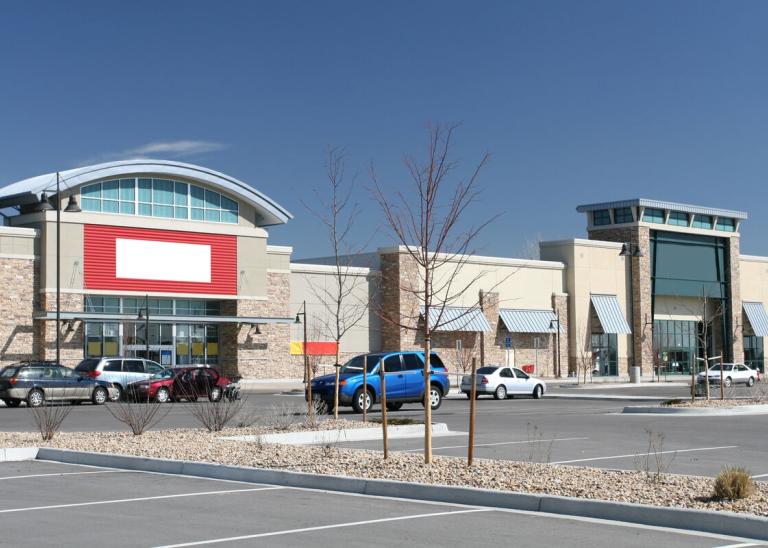
Major sporting events do not impact only stadiums and fan zones.
When hundreds of thousands of visitors enter a city over several weeks, retail businesses often experience increased foot traffic, longer operating hours, staffing pressure, and elevated theft exposure. Even stores located outside official event districts can be affected by spillover activity, transit rerouting, entertainment traffic, and temporary population surges.
For retailers, preparation is not simply about managing more customers.
It is about maintaining operational control during periods of abnormal density.
Why Retailers Face Increased Risk During Major Events
Large-scale sporting events create temporary shifts in how cities operate.
As crowd activity expands across entertainment districts, hotels, transit hubs, and public gathering areas, retailers may experience:
- heavier in-store traffic
- increased shoplifting and opportunistic theft
- parking lot incidents
- customer disputes
- employee fatigue
- reduced visibility in high-volume environments
These risks increase further during evenings, weekends, and post-event periods when surrounding crowd activity intensifies.
Retailers that normally operate with lean staffing models may find themselves overwhelmed if preparation begins too late.
The Operational Challenges Retailers Often Underestimate
One of the most common mistakes retailers make is assuming crowd-related disruption will remain localized near event venues.
In reality, crowd spillover frequently affects surrounding commercial corridors and retail districts far beyond the stadium perimeter.
Operational pressure may include:
- overwhelmed entry and checkout areas
- limited visibility on sales floors
- strained loss prevention resources
- difficulty managing customer flow
- increased after-hours activity
- reduced employee response capability during incidents
Temporary population surges can quickly expose operational gaps that are manageable under normal conditions but difficult to control during high-volume periods.
How Retailers Can Prepare for Crowd Surge Activity
Review Staffing and Coverage Early
Demand for temporary staffing and security support typically increases as major events approach.
Retailers should assess:
- peak operating hours
- high-risk time periods
- overnight coverage needs
- parking lot visibility
- employee scheduling flexibility
Planning early provides greater flexibility before staffing demand intensifies citywide.
Reinforce Visibility and Deterrence
Visible oversight can help reduce opportunistic incidents during crowded periods.
Retailers should evaluate:
- store entrances and exits
- blind spots and high-traffic zones
- parking areas
- after-hours vulnerabilities
- inventory protection measures
Maintaining visibility becomes increasingly important as customer volumes rise and store activity becomes more difficult to monitor.
Prepare for Faster Incident Escalation
Conditions during major events can change quickly.
Retail managers should establish:
- escalation procedures
- emergency contact protocols
- communication plans for onsite teams
- incident response expectations
- contingency procedures for crowd-related disruptions
Operational readiness is often determined by how quickly teams can respond when conditions shift unexpectedly.
Major Events Require More Than Normal Retail Planning
Retailers are not simply preparing for increased sales activity.
They are preparing for temporary changes in how an entire city functions.
Organizations that perform best during major sporting events are typically those that:
- assess operational vulnerabilities early
- strengthen staffing plans
- improve visibility and oversight
- prepare contingency procedures before crowds arrive
As cities experience sustained visitor activity, operational readiness becomes essential for maintaining both customer experience and business continuity.
Prepare Your Retail Operations for Crowd Surge Events
BEST helps retailers prepare for periods of elevated activity with scalable security staffing, visible deterrence, and rapid deployment support designed for high-volume environments.
How do retailers prepare for crowd surge events? Retailers prepare for crowd surge events by reviewing staffing plans, increasing visibility in high-traffic areas, reinforcing loss prevention measures, and establishing escalation procedures before visitor activity intensifies.
Does shoplifting increase during major sporting events? Large events can increase opportunistic theft and shoplifting risks due to heavier foot traffic, distracted staff, and crowded retail environments. Retailers often experience higher incident exposure during evenings, weekends, and post-event periods.
What areas of a retail property are most vulnerable during crowd surge periods? Retailers should closely monitor entrances, exits, parking lots, self-checkout areas, high-value merchandise zones, and after-hours access points during periods of elevated activity.
How early should retailers prepare for major sporting events? Retailers should begin operational planning well before major events begin, especially in cities expecting sustained visitor activity. Waiting too long can limit staffing availability and reduce operational flexibility.
What temporary security measures can retailers implement during large events? Retailers may increase onsite visibility through temporary staffing, parking lot monitoring, entry-point oversight, mobile patrols, and enhanced after-hours coverage during high-volume periods.
Why are retailers outside stadium zones still affected by major events? Crowd spillover often extends far beyond official venues into surrounding shopping districts, transit corridors, entertainment areas, and mixed-use commercial environments.