Event Security
Preparing for a Global Soccer Event: How Commercial Properties Can Prepare for Crowd Spillover During Major Sporting Events
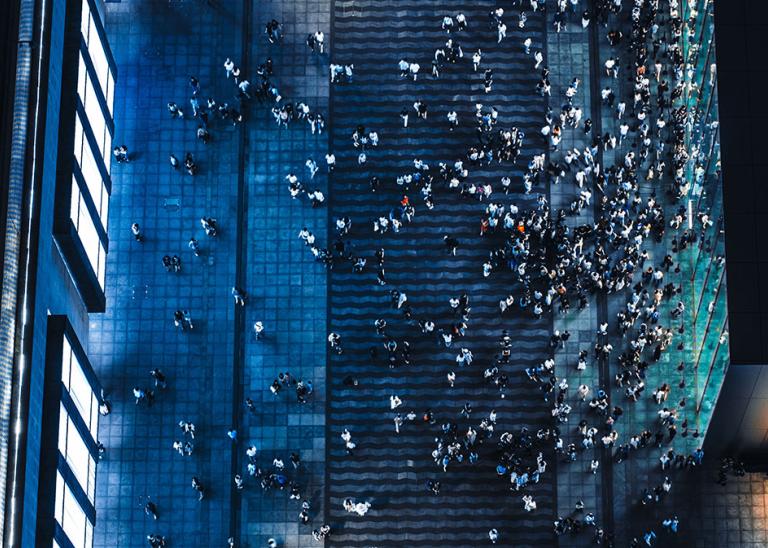
Major sporting events can create operational pressure far beyond stadiums and official venues.
As cities absorb large volumes of visitors over several weeks, commercial properties often experience increased foot traffic, unauthorized access attempts, congestion in shared spaces, and strain on normal building operations. Office towers, mixed-use developments, parking facilities, and business campuses may all encounter crowd spillover activity, even outside primary event zones.
For property managers and building operators, preparation is not simply about security presence.
It is about maintaining operational control during periods of abnormal density.
Why Commercial Properties Face Increased Risk During Major Events
Large-scale events temporarily change how people move through cities.
Public transit congestion, entertainment activity, fan gatherings, and overflow traffic patterns can increase pressure on commercial properties throughout surrounding business districts.
Properties may experience:
- unauthorized building access
- lobby congestion
- parking facility incidents
- elevated after-hours activity
- increased trespassing
- delivery and loading dock disruptions
- strain on onsite personnel and front desk teams
Buildings that normally operate under predictable occupancy patterns may suddenly face conditions they were not designed to manage.
The Operational Challenges Property Teams Often Underestimate
One of the most common mistakes commercial properties make is assuming event-related disruption will remain confined to nearby venues.
In reality, crowd spillover often extends into office corridors, public plazas, parking areas, and mixed-use developments throughout the surrounding urban environment.
Operational pressure may include:
- tailgating through secured entrances
- unmanaged visitor flow
- reduced visibility in high-traffic areas
- difficulty monitoring public access points
- increased after-hours security concerns
- slower response times during incidents
As crowd density increases, maintaining normal operational oversight becomes significantly more difficult.
How Commercial Properties Can Prepare for Crowd Surge Activity
Evaluate Access Control Vulnerabilities
Periods of elevated activity can expose weaknesses in normal access management procedures.
Property teams should assess:
- primary entry points
- visitor management procedures
- loading dock access
- parking facility controls
- after-hours access protocols
- shared public space vulnerabilities
Maintaining control over who enters the property becomes increasingly important during sustained high-traffic periods.
Reinforce Visibility and Monitoring
As buildings experience heavier activity, visibility can quickly decrease in common areas and exterior spaces.
Commercial properties should evaluate:
- lobby oversight
- patrol coverage
- camera visibility
- exterior perimeter monitoring
- parking areas
- tenant-access zones
Visible monitoring and operational presence can help reduce unauthorized activity and improve incident response capability.
Prepare for Operational Disruptions
Conditions during major events can shift rapidly.
Property management teams should establish:
- escalation procedures
- emergency communication protocols
- tenant notification plans
- contingency staffing procedures
- rapid response expectations
Preparation is especially important for properties located near transit hubs, entertainment districts, hotels, or public gathering spaces.
Major Events Require More Than Normal Property Operations
Commercial properties are not simply preparing for increased foot traffic.
They are preparing for temporary changes in how an entire city functions.
Organizations that navigate major events most effectively are typically those that:
- assess vulnerabilities early
- strengthen operational oversight
- reinforce staffing and monitoring
- establish contingency procedures before crowds arrive
As large-scale events continue to draw sustained visitor activity into urban environments, operational readiness becomes essential for maintaining tenant confidence, property safety, and business continuity.
Prepare Your Property for Crowd Spillover Events
BEST helps commercial properties prepare for elevated activity with scalable security staffing, access control support, and rapid deployment capabilities designed for high-volume environments.
How do commercial properties prepare for crowd spillover events? Commercial properties prepare by reviewing access control procedures, reinforcing visibility in common areas, evaluating visitor management protocols, and establishing contingency plans for periods of elevated activity.
What access control risks increase during major sporting events? Periods of abnormal density can increase unauthorized access attempts, tailgating through secured entrances, unmanaged visitor flow, and after-hours trespassing risks.
Why are office buildings affected by crowd surge activity? Major events can increase congestion throughout nearby business districts, transit hubs, parking facilities, and mixed-use developments, creating operational pressure well beyond official event zones.
Which areas of a commercial property should be monitored most closely? Property teams should prioritize building entrances, lobbies, loading docks, parking facilities, tenant-access areas, and exterior gathering spaces during periods of elevated foot traffic.
How can commercial properties improve operational readiness during major events? Properties can improve readiness by reinforcing staffing coverage, strengthening communication procedures, reviewing emergency escalation plans, and increasing visibility throughout high-traffic areas.
When should commercial properties begin preparing for large events? Preparation should begin well before crowd activity intensifies, especially for properties located near entertainment districts, transit corridors, hotels, or public gathering spaces.