Crowd Surge Readiness Checklist for Businesses
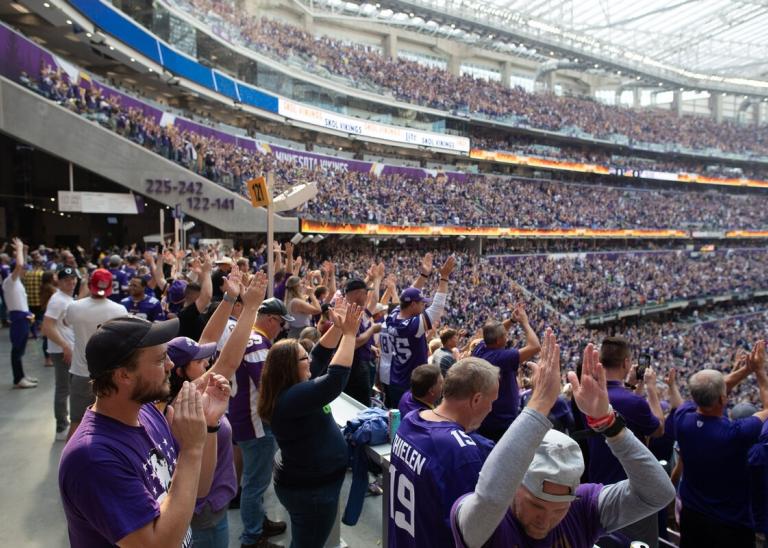
Are You Prepared for Elevated Crowd Activity During Major Events?
Major sporting events create operational pressure far beyond stadiums and official venues. As cities absorb large volumes of visitors, businesses often experience increased foot traffic, staffing strain, access control challenges, and higher exposure to theft, vandalism, and operational disruption.
Before major events begin, organizations should evaluate whether their current operating model is prepared for temporary changes in how the city functions.
Key Readiness Questions
Before large-scale events arrive, ask your team:
- Are we prepared for activity levels beyond normal operating assumptions?
- Can we maintain visibility during peak crowd periods?
- Have we identified high-risk areas across the property?
- Are staffing levels sufficient during elevated traffic periods?
- Could unauthorized access become a larger issue during crowd surge activity?
- Are escalation procedures clearly defined if conditions change quickly?
- Have we considered after-hours operational risks?
- Can our teams respond effectively if incidents increase during peak periods?
If these questions are difficult to answer confidently, your organization may benefit from additional operational planning and security support.
Factors to Consider When Building Your Crowd Surge Security Plan
→ Staffing & Operational Coverage
Major events can place sustained pressure on onsite teams through longer hours, heavier traffic, and increased incident exposure. Organizations operating with lean staffing models may struggle to maintain visibility and response capability during peak activity periods.
Key considerations:
- Peak operating hours and elevated traffic periods
- Overnight and after-hours coverage
- Employee fatigue and staffing flexibility
- Contingency staffing plans
- Escalation contacts and communication procedures
→ Access Control & Public Flow
As crowd density increases, buildings and public-facing environments may experience unauthorized access attempts, unmanaged visitor flow, and congestion around entrances or shared spaces.
Properties that normally function well under standard traffic conditions may require additional oversight when operating environments become less predictable.
Key considerations:
- Entrances and exits
- Visitor management procedures
- Restricted-area access
- Loading dock or service access
- Parking facility controls
- After-hours entry procedures
→ Parking Areas & Exterior Spaces
Parking facilities, loading areas, entrances, and exterior gathering spaces often become more difficult to monitor during periods of elevated activity.
These areas can experience increased exposure to theft, trespassing, property damage, and disruptive behavior, particularly during evenings and post-event periods.
Key considerations:
- Exterior lighting and visibility
- Parking lot monitoring
- Public gathering areas
- Perimeter access points
- Exterior surveillance coverage
- Temporary barriers or wayfinding needs
→ Visibility During High-Traffic Periods
Periods of abnormal density reduce operational visibility.
Heavy foot traffic, crowded common areas, and overstretched teams can make it more difficult to identify suspicious activity, respond to incidents quickly, or maintain consistent oversight across the property.
Maintaining visible operational presence becomes increasingly important as activity intensifies.
Key considerations:
- High-traffic common areas
- Blind spots and low-visibility zones
- Public-facing operational areas
- Areas vulnerable to congestion
- Visibility during peak activity periods
→ Incident Response Readiness
Conditions during major events can change rapidly due to crowd movement, transportation disruption, alcohol-related incidents, or unexpected overflow activity.
Organizations should ensure escalation procedures, communication protocols, and response expectations are clearly established before operational pressure increases.
Key considerations:
- Incident escalation protocols
- Emergency communication procedures
- Internal response responsibilities
- Coordination procedures for onsite teams
- Rapid response expectations during elevated activity
→ Business Continuity & Customer Experience
Operational disruptions during major events can affect more than physical security.
Staffing shortages, unmanaged congestion, delayed response times, and operational confusion can impact customer experience, tenant confidence, employee safety, and day-to-day business continuity.
Preparation helps organizations maintain control while surrounding conditions become less predictable.
Key considerations:
- Customer or guest experience impacts
- Employee response capability
- Access control continuity
- Operational disruption risks
- Service continuity during elevated activity
Readiness Timeline
6-8 Weeks Before Major Events
- Conduct operational risk assessment
- Review staffing requirements
- Evaluate access control procedures
- Identify high-risk areas and vulnerabilities
3-4 Weeks Before Major Events
- Reinforce staffing and operational coverage
- Finalize escalation procedures
- Review visibility and monitoring coverage
- Confirm communication protocols
1-2 Weeks Before Major Events
- Validate onsite readiness
- Review peak-period operational plans
- Brief onsite teams
- Confirm rapid response procedures
One Important Reality Businesses Often Overlook
Major sporting events do not only affect stadiums.
They create temporary population-density shifts that impact the broader business environment across entire cities.
Organizations that prepare early are generally better positioned to maintain operational stability, reduce disruption, and respond effectively as crowd activity increases.
Prepare for Crowd Surge Events with BEST
BEST helps organizations prepare for elevated activity with scalable security staffing, crowd management support, and rapid deployment capabilities designed for high-volume environments.