Event Security
How Many Security Guards Does Your Event Really Need?
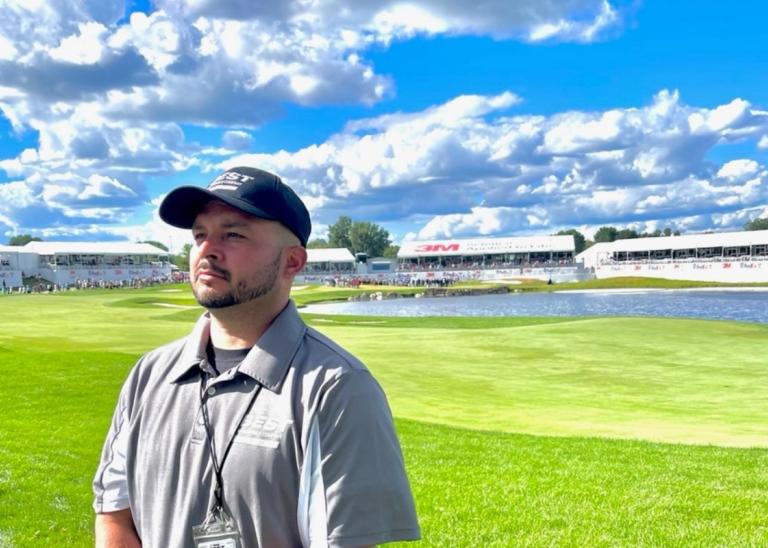
One of the first questions event organizers ask is:
How many security guards do
I need for my event?
It’s a reasonable question. Security staffing is often one of the largest operational expenses in an event budget, and organizers want to ensure they’re allocating resources appropriately.
The challenge is that there is no universal answer.
A community festival with 5,000 attendees has very different security requirements than a 5,000-person concert. A road race spanning multiple miles presents different challenges than a fair operating within a controlled venue.
The safest and most successful events aren’t necessarily the ones with the most security personnel. They’re the ones with a staffing plan that matches the event’s specific risks, operational needs, and attendee experience goals.
Before determining how many guards you need, it’s important to understand what actually drives event security requirements.
The Biggest Mistake Event Organizers Make When Planning Security
Many organizers begin by asking:
How many guards do I need?It’s a reasonable question, but it often leads to the wrong planning approach.
The better question is:
What risks am I trying to manage?
This distinction matters because security staffing is frequently treated as a numbers exercise rather than an operational planning exercise.
A common misconception is that attendance alone determines security requirements. In reality, crowd behaviour, venue complexity, access control requirements, and event activities often have a greater impact on staffing needs than the number of attendees.
Two events with the same attendance can have dramatically different security requirements.
The most successful event organizers don’t start with headcount. They start with risk.
Why Event Size Alone Doesn’t Determine Staffing
Many organizers assume security staffing can be calculated using a simple ratio.
For example:
- One guard for every 100 attendees
- One guard for every 250 attendees
- One guard for every entrance
While these types of benchmarks can serve as rough planning references, they rarely provide an accurate picture of what an event requires.
Consider two events with identical attendance numbers.
The first is a family-oriented community event operating during daytime hours within a controlled venue.
The second is an outdoor concert featuring alcohol service, multiple entry points, and evening programming.
Although attendance may be the same, the operational complexity and risk profile are completely different.
This is why professional event security planning starts with risk assessment rather than headcount.
The safest events aren’t the ones with the most guards.
They’re the ones with the right staffing plan.
The Four Factors That Have the Biggest Impact on Security Staffing
While every event is unique, four factors consistently have the greatest influence on staffing requirements.
1. Attendance and Crowd Density
Attendance is still important, but organizers should think beyond total registrations or ticket sales.
Questions to consider include:
- What is the expected peak attendance?
- Will attendees arrive all at once or throughout the day?
- Are there periods where crowd density will increase significantly?
- Are there headline performances, race starts, or scheduled activities that will create surges?
Understanding crowd movement is often more valuable than understanding attendance alone.
A crowd of 2,000 concentrated in one area can require more active management than 5,000 attendees spread across a large site.
2. Venue Layout and Event Footprint
The size and design of your venue can dramatically affect staffing needs.
Security personnel may be required to manage:
- Entry and exit points
- Parking areas
- Restricted zones
- Vendor areas
- Equipment storage locations
- Emergency access routes
A compact venue allows personnel to monitor multiple areas efficiently.
Large event footprints, multiple activity zones, or extended event routes often require additional coverage simply because of the geography involved.
3. Access Control Requirements
Every entrance creates an operational responsibility.
Depending on the event, staff may be required to:
- Verify credentials
- Conduct bag checks
- Monitor prohibited items
- Manage attendee queues
- Control access to restricted areas
Many staffing challenges occur at entrances because organizers underestimate the personnel required to move attendees efficiently while maintaining security standards.
Long lines and congested entry points can quickly create safety concerns and negatively impact the attendee experience.
4. Event Activities and Risk Factors
Not all events generate the same security requirements.
Factors that may increase staffing needs include:
- Alcohol service
- VIP attendance
- Cash handling
- High-profile performers
- Extended operating hours
- Historical incidents
- Large youth attendance
- Multiple entertainment zones
The more complex the event environment, the more important it becomes to have dedicated personnel positioned where issues are most likely to occur.
Different Events Require Different Security Strategies
One of the biggest mistakes organizers make is assuming that every event can be staffed using the same model.
Community Events
Community events often prioritize guest experience, accessibility, and family-friendly environments.
Security teams may focus on:
- Information and guest assistance
- Lost child protocols
- Parking management
- Access control
- General crowd monitoring
The objective is often prevention and visibility rather than active intervention.
For organizers planning fairs, community festivals, or local celebrations, investing in professional community event security services can help create a safe and welcoming experience while supporting operational efficiency.
Sporting Events and Road Races
Sporting events introduce unique challenges because crowds and participants are often spread across a large area.
Planning typically focuses on:
- Route monitoring
- Road closures
- Pedestrian crossings
- Start and finish line management
- Participant safety
These events often require strategic placement rather than high concentrations of personnel.
Concerts and Festivals
Concerts and festivals generally present the most complex crowd management environment.
Common priorities include:
- Entrance screening
- Stage-front crowd management
- Alcohol-related incident response
- Perimeter control
- Backstage access management
- Emergency response coordination
Because attendee behavior changes throughout the event, staffing plans often need to account for evolving conditions during the day.
Successful concert and festival security planning requires more than assigning guards to gates. It involves understanding crowd flow, managing access control, and preparing for a wide range of operational scenarios.
Why Staffing Should Be Based on Risk, Not Ratios
It’s common for organizers to search for a recommended guard-to-attendee ratio.
The reality is that ratios alone can be misleading.
Imagine two events with 1,000 attendees.
One takes place in a fenced venue with a single entrance and controlled access.
The other takes place across multiple city blocks with open public access, road closures, and several activity zones.
Applying the same staffing ratio to both events would ignore the operational realities of each environment.
Effective security planning focuses on identifying risks, understanding crowd behavior, and ensuring resources are positioned where they can have the greatest impact.
This approach helps organizers avoid both understaffing and unnecessary spending.
What Properly Planned Event Security Looks Like
When staffing levels are aligned with event requirements, the benefits extend beyond safety.
Attendees experience:
- Faster entry and shorter lines
- Better access to information and assistance
- Reduced congestion
- Improved traffic flow
- Greater confidence in the event environment
Organizers benefit from:
- Faster response to incidents
- Better operational coordination
- Improved communication
- Reduced liability exposure
- Stronger overall event execution
In many cases, attendees may never notice the security operation itself.
That’s often a sign that the planning was successful.
Frequently Asked Questions
How many security guards do I need for 500 attendees?
There is no fixed number. Attendance is only one factor. Venue layout, event activities, access control requirements, and risk considerations all influence staffing requirements.
How many guards do I need for a festival?
Festival staffing depends on factors such as event duration, alcohol service, number of entrances, parking requirements, and expected attendance. A professional assessment is typically the best way to determine appropriate staffing levels.
Do I need overnight security?
Events with equipment, vendor assets, staging infrastructure, or multi-day operations often benefit from overnight security coverage to protect property and maintain site integrity.
Should volunteers handle crowd control?
Volunteers play an important role in many events, but critical crowd management and security functions should be overseen by trained personnel with clear communication and incident response procedures.
How far in advance should I arrange event security?
For larger events, planning should begin several months in advance. Early planning allows organizers to complete risk assessments, develop staffing plans, coordinate emergency procedures, and secure necessary resources.
Every Event Is Different
The question isn’t simply how many security guards you need.
The better question is whether your staffing plan reflects the unique needs of your event.
Effective event security is built on understanding attendee behaviour, identifying operational risks, planning for emergencies, and creating a positive guest experience from arrival to departure.
Whether you’re organizing a community event, a sporting event, a fair, or a large outdoor festival, the right staffing strategy can help create a safer, smoother experience for everyone involved.
If you’re evaluating your options for temporary event security services, speaking with a crowd management expert early in the planning process can help ensure your staffing plan aligns with your event’s goals, risks, and operational requirements.
Planning an upcoming event?
Contact BEST to discuss your crowd management and event security requirements.